
|
|
Product Details:
|
| Polymerization Degree: | 1300 ±100 | Brookfield Viscosity: | 1500-6500 MPa.s |
|---|---|---|---|
| Residual VCM: | ≤10 Ug/g | Scraper Fineness: | ≤100 μm |
| Impurity Particles: | ≤20 Pcs | Moisture Content: | ≤0.50% |
| Highlight: | Polymerization degree 1300 ±100 PVC Paste Resin,Brookfield viscosity 1500-6500 mPa.s MP-1300L(B),Residual VCM ≤10 ug/g Paste PVC Resin |
||
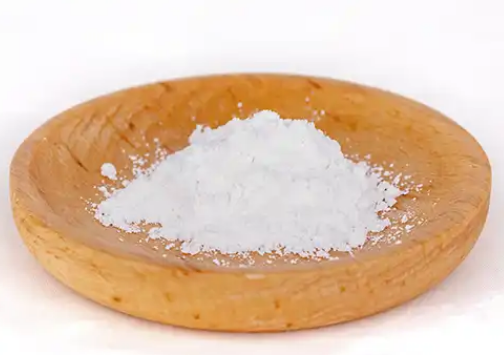
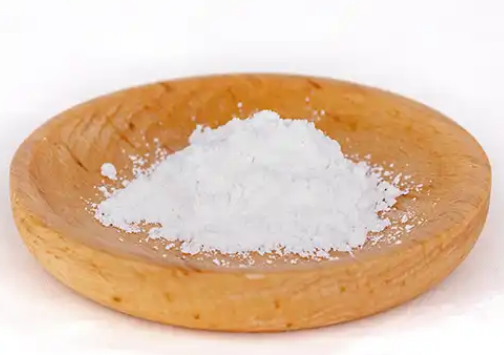
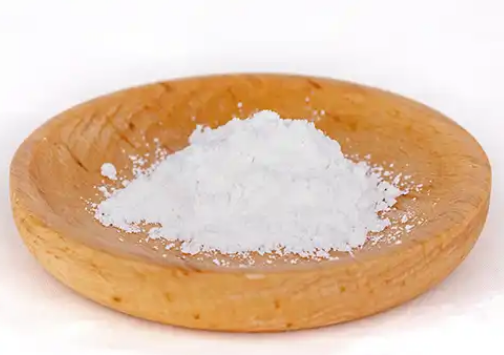
MP-1300L(B) PVC Paste Resin - Technical Product Report
1. Executive Summary
MP-1300L(B) is identified in the supplied technical document as a paste PVC resin grade manufactured/supplied by Jiyuan Jinxiang Material Co., Ltd. The source provides a concise set of quality parameters covering polymerization degree, Brookfield viscosity, impurity particles, moisture/volatile matter, residual vinyl chloride monomer (VCM), sieve-related mass fraction and scraper fineness.
The grade has a stated polymerization degree of 1300 ±100 and a Brookfield viscosity of 1500-6500 mPa.s under the source-stated PVC:DOP ratio of 100:65 at 30°C after 1 hour. These parameters provide useful references for resin consistency and paste-rheology evaluation.
This report reorganizes and expands the supplied data for customer-facing technical use. The source does not provide detailed application recommendations, processing recipes, gelation/fusion behavior, packaging, storage, shelf life or mechanical properties; related discussion below is therefore technical evaluation guidance rather than additional supplier-certified specifications.
2. Product Overview
|
Item |
Source-Derived Information |
|
Company |
Jiyuan Jinxiang Material Co., Ltd. |
|
Product / Grade |
Paste PVC Resin - MP-1300L(B) |
|
Polymerization degree |
1300 ±100 |
|
Brookfield viscosity |
1500-6500 mPa.s |
|
Viscosity test condition |
PVC:DOP = 100:65; 30°C; 1 hour |
|
Residual VCM |
≤10 ug/g |
|
Scraper fineness |
≤100 μm |
|
Source type |
Technical data sheet / technical data table |
3. Technical Data
|
Parameter |
Technical Data |
Technical Interpretation |
|
Polymerization degree |
1300 ±100 |
Source-stated polymerization range; useful as a molecular-weight-related resin quality indicator. |
|
Brookfield viscosity |
1500-6500 mPa.s |
Paste-viscosity range under the stated PVC:DOP test condition. |
|
Brookfield test condition |
PVC:DOP 100:65; 30°C; 1 h |
Important conditioning/formulation basis for interpreting the viscosity value. |
|
Number of impurity particles |
≤20 pcs |
Controls visible/foreign particle contamination. |
|
Moisture (volatile matter) content |
≤0.50% |
Controls moisture and other volatile components. |
|
Residual VCM |
≤10 ug/g |
Source-stated residual vinyl chloride monomer limit. |
|
Mass fraction (49 μm sieve hole) |
≥99% |
Source-stated sieve-related mass fraction; detailed test method is not provided. |
|
Scraper fineness |
≤100 μm |
Source-stated fineness requirement. |
4. Technical Performance Interpretation
Polymerization degree: A value of 1300 ±100 places polymerization degree among the principal identity/consistency parameters of this grade. The source does not provide comparative claims against other paste PVC resin grades.
Brookfield viscosity: The wide stated range of 1500-6500 mPa.s should be interpreted only together with the specified PVC:DOP 100:65 ratio, 30°C temperature and 1-hour conditioning time. Finished plastisol viscosity will also depend on formulation and mixing history.
Impurity control: The impurity-particle limit of ≤20 pcs provides a basic cleanliness indicator relevant to appearance-sensitive downstream processing.
Moisture and volatile matter: The ≤0.50% requirement provides a source-defined control for volatile content. Consistent moisture control can be important for powder storage and paste processing.
Residual VCM: Residual VCM is limited to ≤10 ug/g in the source. Regulatory suitability for a particular market or finished article should be evaluated separately.
Sieve-related mass fraction: The source states ≥99% mass fraction at a 49 μm sieve hole. Because the original document does not explain the exact procedure or terminology further, this report retains the source wording and does not infer an alternative test definition.
Scraper fineness: The ≤100 μm value is a source-stated fineness parameter. The exact scraper test procedure is not included in the supplied document.
5. Potential Application Relevance
The supplied document identifies the material as paste PVC resin but does not list specific end-use applications. The following areas are therefore presented only as common technical evaluation contexts for paste PVC resin, not as supplier-certified application claims.
|
Evaluation Context |
Relevant Source Parameters |
Recommended Validation |
|
Plastisol formulation |
Brookfield viscosity; polymerization degree |
Check viscosity with the actual plasticizer/additive system and after defined aging. |
|
Coating / spreading processes |
Viscosity; impurity count; fineness |
Evaluate coating uniformity, deaeration, gelation/fusion and surface finish. |
|
Dip / molding processes |
Paste rheology; cleanliness |
Validate flow, gelation/fusion and finished-part appearance in actual equipment. |
|
Appearance-sensitive PVC |
Impurity count; sieve-related mass fraction; fineness |
Confirm surface quality, color and defect level in the final formulation. |
|
General paste-resin qualification |
All source parameters |
Conduct side-by-side comparison with the incumbent grade under identical formulation and process conditions. |
6. Formulation & Processing Considerations
Reproduce the source viscosity basis accurately when comparing lots: PVC:DOP = 100:65, 30°C, 1 hour.
Establish the customer's own viscosity-aging profile because the source provides only a single conditioning point.
Optimize mixing sequence and shear for the actual plasticizer, stabilizer, filler, pigment and additive package.
Determine gelation and fusion conditions experimentally; the supplied source does not state gelation temperature, fusion time or rheological curves.
For surface-critical products, monitor impurity particles, fineness and sieve-related quality together with final-product appearance.
Maintain lot traceability and compare incoming material with an approved reference and supplier COA where available.
7. Quality Control & Incoming Inspection
|
Inspection Item |
Source Requirement |
Recommended QC Use |
|
Polymerization degree |
1300 ±100 |
Confirm resin-grade consistency. |
|
Brookfield viscosity |
1500-6500 mPa.s |
Monitor paste-rheology consistency under the stated test condition. |
|
Impurity particles |
≤20 pcs |
Check cleanliness and visible contamination. |
|
Moisture / volatile matter |
≤0.50% |
Monitor storage and lot consistency. |
|
Residual VCM |
≤10 ug/g |
Confirm residual monomer control. |
|
49 μm sieve-related mass fraction |
≥99% |
Monitor source-defined particle/sieve quality. |
|
Scraper fineness |
≤100 μm |
Monitor fineness and coarse-material behavior. |
8. Commercial & Technical Evaluation Summary
|
Dimension |
Assessment Based on Supplied Data |
|
Product |
MP-1300L(B) Paste PVC Resin |
|
Polymerization degree |
1300 ±100 |
|
Paste-viscosity reference |
1500-6500 mPa.s at PVC:DOP 100:65, 30°C, 1 h |
|
Cleanliness |
Impurity particles ≤20 pcs |
|
Volatile content |
≤0.50% |
|
Residual monomer |
VCM ≤10 ug/g |
|
Particle/fineness controls |
49 μm sieve-related mass fraction ≥99%; scraper fineness ≤100 μm |
|
Key data limitation |
No detailed application, gelation/fusion, mechanical-property, packaging or storage data supplied |
|
Qualification approach |
Application-specific side-by-side trials recommended |
9. Storage, Handling & Safety Considerations
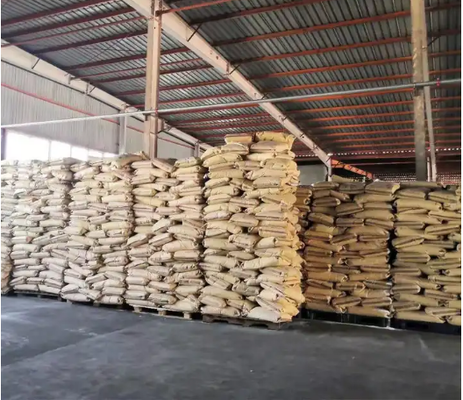
The supplied technical document does not state packaging, shelf life, storage conditions or detailed safety instructions. Users should obtain the current supplier SDS and commercial packaging/storage documentation before handling or purchasing the product.
As general handling practice for powder resin, keep packaging closed and dry, avoid contamination and unnecessary dust generation, and maintain lot identification. These are general technical considerations and are not presented as source-stated MP-1300L(B) requirements.
10. Limitations of the Supplied Data
The source is a concise technical-data table and does not state detailed test methods for all properties. It also does not provide apparent-viscosity curves, paste aging, particle-size distribution, plasticizer absorption, gelation/fusion behavior, thermal stability, mechanical properties, packaging, shelf life or specific end-use recommendations.
Accordingly, this report preserves the source terminology and numerical values without filling those gaps with unsupported supplier claims. Final commercial qualification should use the current TDS, COA, SDS and any application-specific technical documentation supplied by the manufacturer.
11. Conclusion
MP-1300L(B) is presented by Jiyuan Jinxiang Material Co., Ltd. as a paste PVC resin grade with a polymerization degree of 1300 ±100 and a Brookfield viscosity of 1500-6500 mPa.s under PVC:DOP 100:65, 30°C and 1-hour conditioning.
The source further controls impurity particles, volatile matter, residual VCM, sieve-related mass fraction and scraper fineness. These parameters provide a practical basis for incoming resin inspection and initial formulation screening.
For customer approval, the grade should be tested in the actual plastisol recipe and process, with emphasis on viscosity and viscosity aging, dispersion, gelation/fusion, surface appearance and finished-product performance. Such application trials should supplement the source technical data rather than replace it.
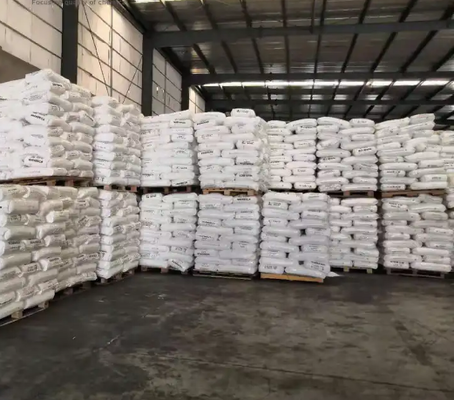
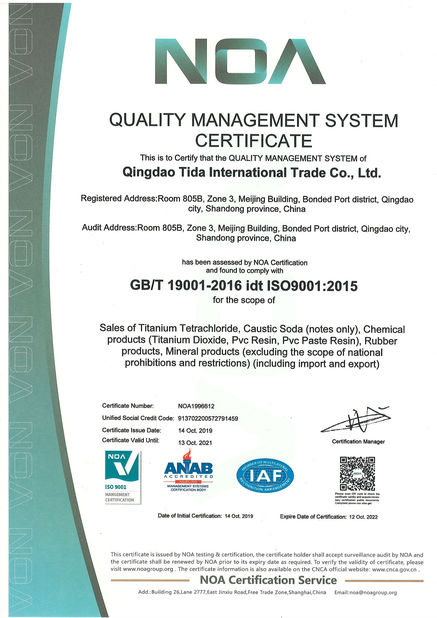
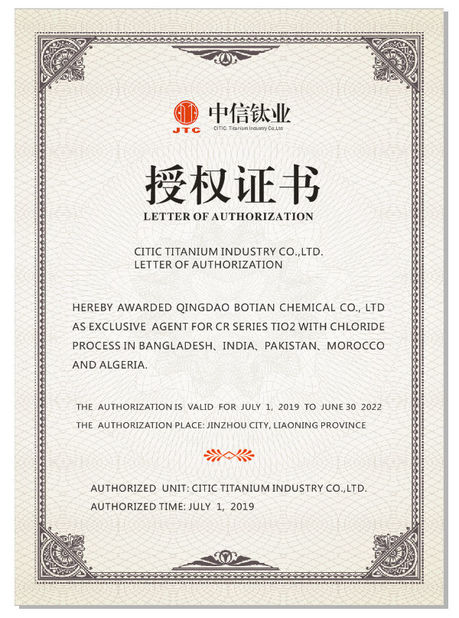
Qingdao Botian Chemical Co., Ltd belongs to Qingdao Tida International Trade Co., Ltd, founded in 2003. After eighteen years of technological and scientific innovation and production line management, we have became the leading company of Titanium Dioxide products, PVC Paste Resin products production and international sales company.
Main products include over a dozen kinds of high-precision chemical products which are chloride process and sulphate process Titanium Dioxide, Titanium Oxychloride, Titanium Tetrachloride, High Titanium Slag, PVC Paste Resin, Caustic Soda etc. With a professional, tight, young technology R&D team, making the product has a high precision and purity of scientific evidence and quality guarantee.
In the next years, Botian & Tida will continue moving steadily and firmly. Maintenance with the domestic large state-owned enterprises and Southeast Asia, North America and European countries the business relationship. At the same time we sincerely welcome and look forward to your arrival — TIDA's new partner.
Respected science, the benefit of mankind, cooperation and innovation, sustainable win-win.

Contact Person: Louis Liu
Tel: 13675620692
Fax: 86-532-89088579


 English